A witchy fashion editorial with AI: five looks for a Halloween series
Plan a witchy Halloween editorial like a shoot: a dark wardrobe that is fashion, not costume, dusk and lantern light, three locations, one model in five looks.
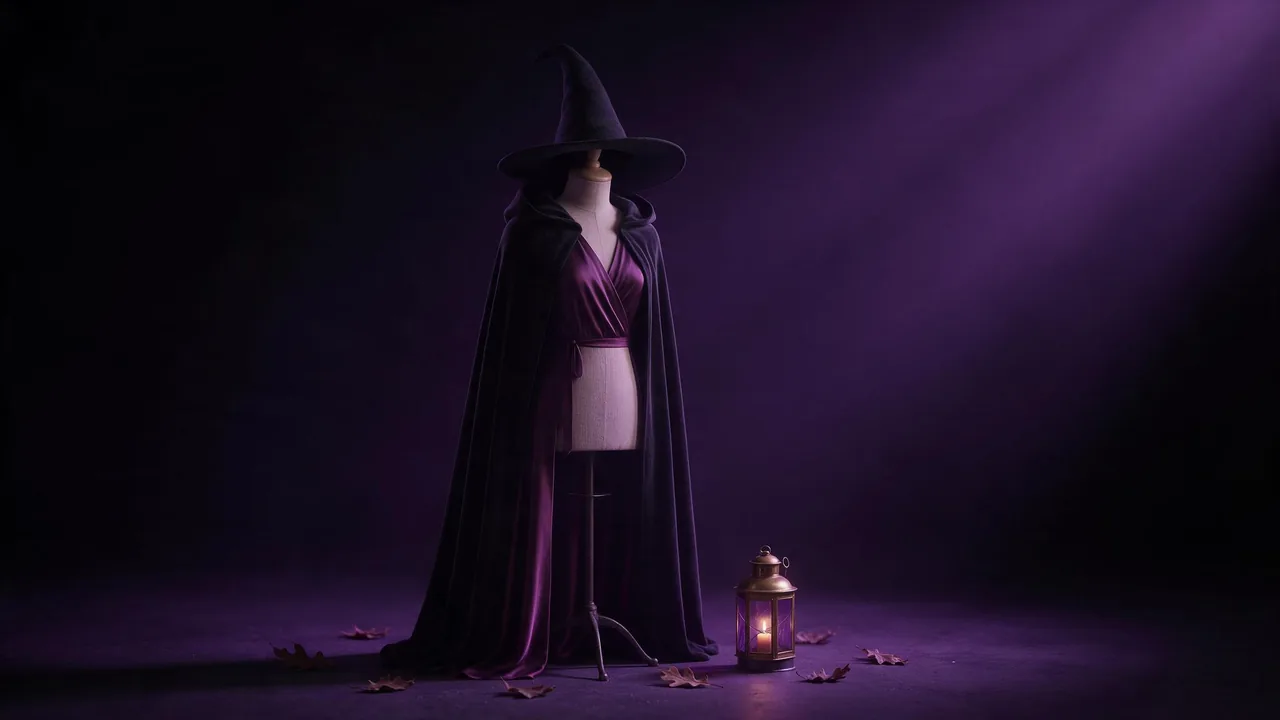
Type "a witch" into any image model and you get the party shop: a green-faced crone, a striped stocking, a broom and a plastic cauldron. That is a costume. A witchy editorial is something else: real clothes in black, plum and moss, cut well and worn by someone who looks like she owns a herb garden and a library card. The magic is in the styling and the light, not in props.
This post plans a five-look Halloween series the way a stylist would plan a real shoot: the wardrobe rules, the accessories, the light, the locations, then a call sheet that keeps one model the same from the first frame to the last. Every example uses one fictional model, Maren Holt, invented for this page: an adult woman in her early thirties with a long auburn braid and grey eyes.
Fashion, not costume: the wardrobe rules
The quickest way to keep a witchy look on the fashion side is to describe garments by cut and fibre, the way a shop page would, and leave out every word that belongs on a costume label. Four rules carry most of it:
- A narrow palette. Black, aubergine, oxblood, moss green and bone. Say the palette once at the start of every prompt and hold it for the whole series. A single accent (a rust scarf, a dried-orange sprig) does more than five colours.
- Long lines. Maxi skirts, floor-length coats, high necks, long sleeves that cover the wrist. Length reads as old-world; short hems read as party costume.
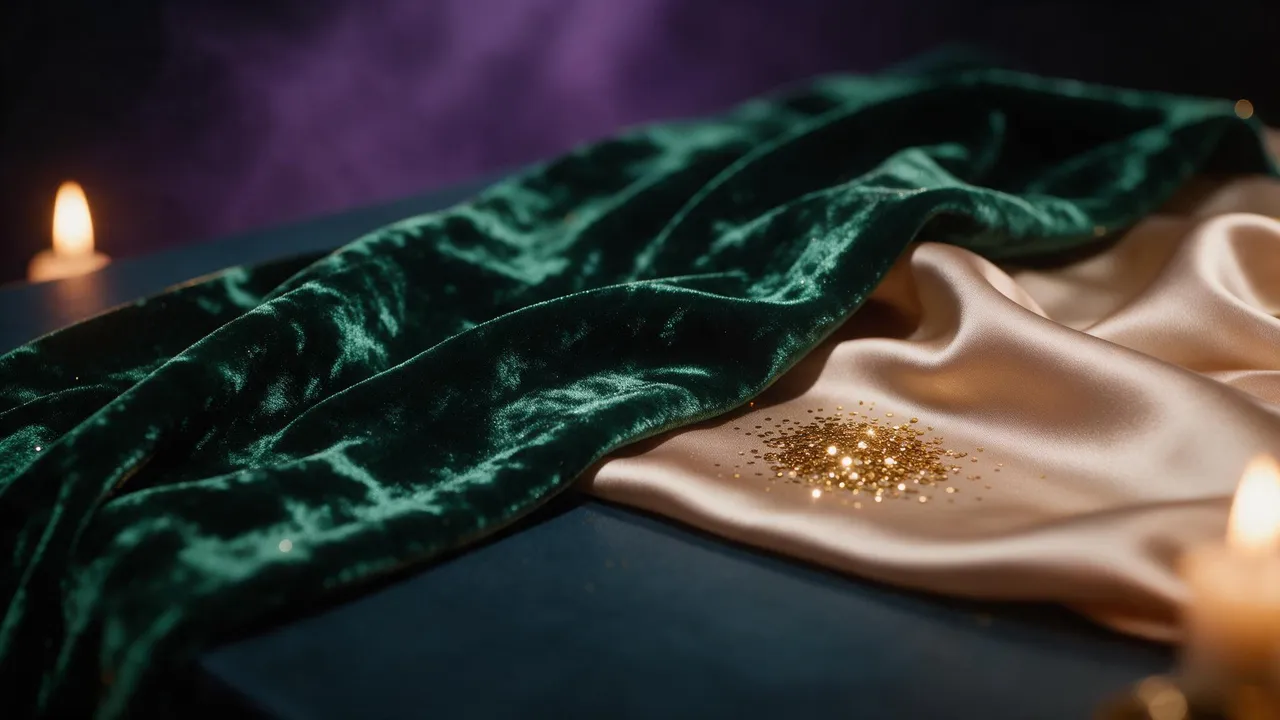
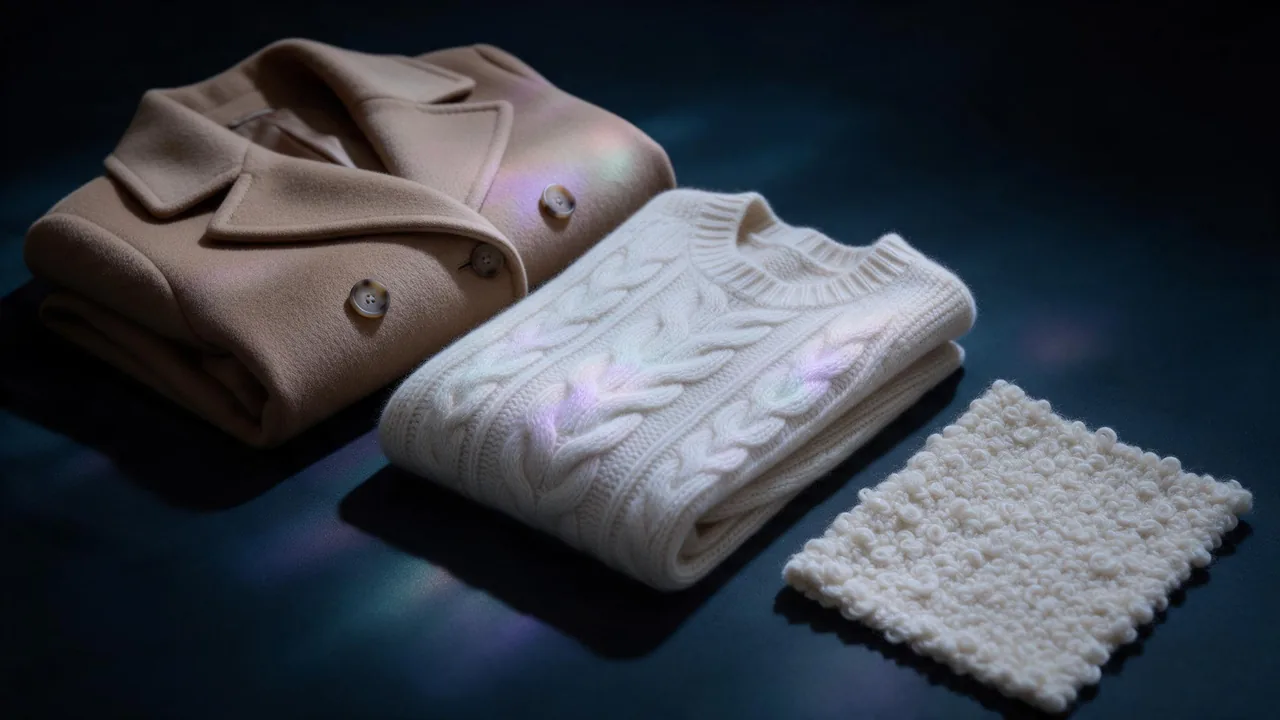
- Texture over shine. Wool crepe, boiled wool, washed linen, lace, brushed mohair and matte velvet. One quiet sheen is plenty; a satin lining under a wool cape is enough.
- Banned words. Leave out "costume", "Halloween outfit", "spooky" and "witch costume". Say "witchy" once, or not at all, and let the clothes and setting carry the mood.
The pieces that say witch without saying it
A few garments and accessories do all the storytelling. Use two or three per look, never all of them, or the frame tips back into fancy dress.
- The hat. A wide-brimmed black felt hat with a soft, slightly crooked crown, not a stiff cone. "Wide brim, felt, worn low over one eye" renders as fashion; "pointed witch hat" renders as plastic.
- The cape or long coat. A hooded wool cape, a velvet opera cloak, or a black duster coat to the ankle. It gives the figure a strong silhouette against fog and sky.
- The dress. A high-neck Victorian blouse with a long skirt, a lace-trimmed slip under a cardigan, or a plain column dress in wool crepe.
- The jewellery. Tarnished silver rings on several fingers, a moonstone pendant, a long chain with an old key. Ask for matte, aged metal so it does not flash like chrome.
- Props in the hands. A clothbound book, a bundle of dried herbs, a lit lantern, a basket of apples. One prop per frame, held naturally, never floating.
Light: dusk, lantern and fog
Witchy pictures live in the hour after sunset, when there is still colour in the sky but the shadows are already deep. Three kinds of light do almost all the work:
- Blue hour. Cold, even light from the sky after the sun has gone. It turns black clothes into rich navy and keeps the skin soft. Name it outright, "blue hour, just after sunset", or the model guesses midday.
- Lantern or candle as the key. A warm flame close to the face against the cold blue around it. This warm-and-cold split is the single most witchy lighting idea there is, and it needs the source in the frame.
- Fog as a diffuser. Low ground fog or mist between the trees softens the background, separates the dark figure from a dark forest, and hides the clutter that makes a frame look staged.
Avoid green and purple coloured light on the person. It reads as a haunted house ride. Keep colour in the sky and the flames, and keep the skin in warm, natural tones.
Three locations, chosen like a scout would
A small series needs only three places, each with a different texture, so the looks feel like one story across one evening:
- The forest edge. Bare birches, fallen leaves, low fog. Wide frames, the figure small against the trees.
- The glasshouse. An old Victorian greenhouse at dusk, condensation on the panes, potted ferns and hanging herbs. Medium frames, lantern light.
- The library or apothecary. Dark wood shelves, glass jars, stacked books, a single candle on the table. Close frames for the jewellery and hands.
The call sheet: five looks, one woman
Write the series down before rendering anything. For each look: location, outfit, one prop, framing, light. Here is Maren's evening:
- Forest edge, blue hour. Hooded black wool cape over a moss-green column dress, lantern in hand. Full length, wide.
- Forest edge, last light. Wide-brimmed felt hat, black duster coat open over a bone lace blouse and long black skirt. Three-quarter, walking.
- Glasshouse. Aubergine mohair cardigan over a lace slip dress, a bundle of dried lavender. Medium shot by the fogged glass.
- Apothecary. High-neck black Victorian blouse, silver rings, moonstone pendant, reading an old book by a candle. Close-up.
- Back outside, full dark. The cape again, hood down, hat on, looking back over her shoulder with the lantern lit. The cover shot.
Fashion editorial photograph at blue hour of a fictional adult woman named Maren, early thirties, long auburn braid, grey eyes, natural skin and a soft berry lip. She stands at the edge of a birch forest in low ground fog, wearing a hooded black wool cape over a moss-green wool crepe column dress, holding a lit brass lantern at hip height. Warm lantern light on her face and hands, cold blue sky light everywhere else. Palette black, moss green and bone. Full length, 35mm, 4:5.Keeping Maren the same in every frame
A series fails the moment the reader sees a different woman in look three. Render Maren first as a plain reference portrait in neutral light and keep the version you like. Render the hat and the cape alone too, on a dress form, the way the hero above shows them, and dress her in them with Bria Virtual Try-On. For every following look, send the reference and the garment pictures to Nano Banana 2.1 edit and describe only what changes: the place, the pose, the prop.
Show the woman from the first image in an old Victorian greenhouse at dusk, standing by fogged glass panes with hanging bundles of dried herbs, holding dried lavender. Keep her face, braid and grey eyes exactly as they are. She wears an aubergine mohair cardigan over a black lace slip dress. Warm light from a lantern on a shelf, blue dusk through the glass. Medium shot, 4:5.Check three things in every frame at full size before you keep it: the braid falls on the same side, the rings sit on the same fingers, and the hat brim has the same width. Those are the details that drift first. When a frame is right but the light is wrong, change only the light with Bria Relight rather than re-rolling the whole look. The lookbook guide goes deeper on holding one face through a long run.
Some drift will happen anyway, most of all in lace patterns and fine jewellery, so plan a spare render for each look. Try the poses on a faster model first; every render shows its price before it runs. Plan the story with the art direction guide, compare models on the models page and start the series in the studio. Keep your model fictional: a generated character of legal age, never a photo of a real person.
Questions
How do I stop a witchy look turning into a costume?
Describe the clothes by cut and fibre, keep a narrow dark palette, and leave out the words "costume", "spooky" and "Halloween outfit". Use two or three witchy pieces per look, not all of them.
What light makes a witchy editorial look right?
Blue hour just after sunset, with a lantern or candle as the warm light on the face. Add low fog to separate a dark figure from a dark background. Avoid green or purple light on the skin.
How do I keep the same model across five looks?
Render one reference portrait first, keep the key garments as separate pictures, and use an edit model that takes both. Describe only what changes in each frame and check the hair, rings and hat at full size.